Thousands of drivers every day fall foul of tricky road restrictions - and it's eroding trust in the authorities
It's the tone as much as anything, I think, that gets my goat.Â
"The warrant authorises a certificated bailiff to seize and sell goods belonging to you to the value of the outstanding amount plus the cost of executing the warrant."
What is the heinous crime that prompts a letter including such threats? Not spotting a road sign on a dark, wet winter's night. It hasn't been a good driving month for various members of my family, with three penalty charge notices arriving in short order.
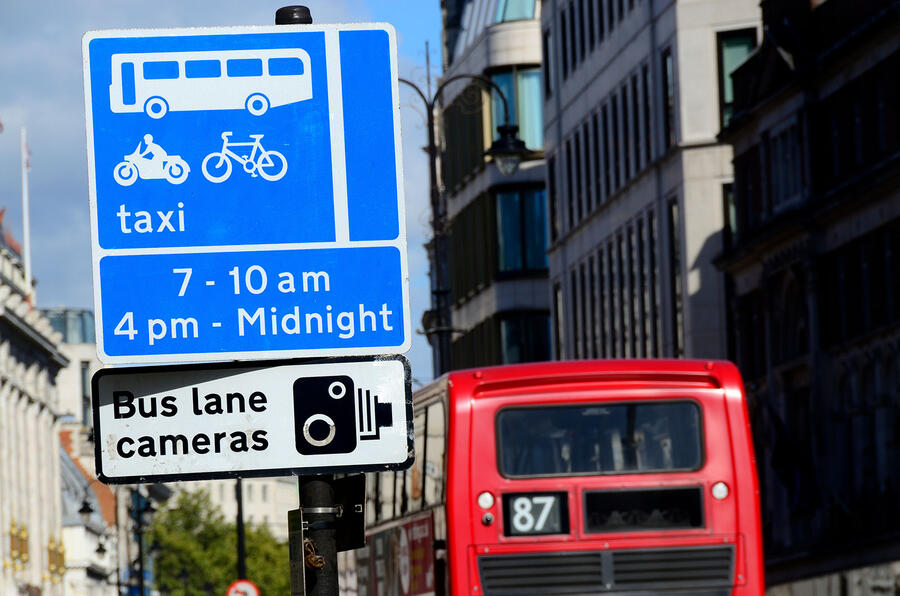
One found they had inadvertently strayed into an Oxford bus lane after working late in the city. There are no buses in view on the attached evidential photographs, no traffic was held up and no benefit was sought or gained; it was just a plain old error of a few seconds, affecting nobody, positively or negatively, on the planet.
But hard luck: that'll be £70 (or £35 if they can afford it before next payday). Another strayed into Dundee city centre because they were delivering a piano to a venue so couldn't park farther away.
This particular low-emissions zone fine doubles with each transgression and, unlike in London, there's no lower-cost pass for non-compliant vehicles, just the fine: £60 (or £30 if they can afford it now). The final one missed Oxford's new congestion charge: £70, or £35 if they have it now, rising to £105 if they don't and the bailiffs thereafter.
Is it a fair cop, guv? Each of these schemes has been introduced seemingly with good intention: to ease the passage of mass transit, improve air quality and/or reduce congestion. And doesn't there need to be some disincentive so that people comply?
Perhaps, but it's worth noting that mostly people do abide by bylaws and customs even when there's no penalty if they don't. We stand on the right on London's escalators; we filter off aeroplanes row by row; we don't push in front of people in shops.
Is there another area of daily life that rivals motoring, where the punishment is so disproportionate to the offence, where a few innocently mistaken seconds can cost you so much? It's hard to shake the feeling that drivers are targeted because it's easy.
Which brings me to stopping in yellow boxes on road junctions. My family and I have escaped indiscretions in these so far, but let's give it time. Perhaps we will have the misfortune to go near England's most notorious, a camera-monitored one in Kingston upon Thames, which raked in £450,000 in fines in just eight months last year.
Any road layout that's so hard for drivers to comply with that it earns £2000 a day in fines must surely by definition be badly designed, but Kingston Borough Council is so far refusing to budge. Because of the safety and congestion implications? If only.
In the minutes of a special meeting convened last month to discuss the junction, the council recorded the part it should probably have left unsaid: "Whilst the raising of revenue from enforcement is not the objective, there is a financial implication to the council if there is a change to the current arrangement. The council needs to be mindful of the impact that this would have on the revenue income streams that help to balance the budget."
In other words, this badly designed road layout should remain badly designed, because it pays.
How many conversations go on like this that we're not privy to, I wonder? Those that would infuriate us all if their participants were also daft enough to admit out loud that they'd had them?
What councils and politicians at all levels need to realise is that this stuff matters. "Trust and confidence in Britain's system of government is at a record low," found the National Centre for Social Research in 2024, and when you read those minutes you can understand why.
Patience and tolerance with rule makers' mistakes is thin, the UK is on its sixth prime minister in a decade and, as I write, newspapers are discussing whether there will be a seventh - a rate of management turnover that would be embarrassing for a football club, let alone a democracy of 70 million people.
There might be a way to reverse this, to rebuild a bit of faith in those who govern us but it won't manifest unless a tolerance of errors starts to flow both ways.