Hollywood has a realism problem... and only real stunts can fix it
Few things have split opinion in the Autocar office in recent memory like the 2025 movie F1.
While some of my colleagues enjoyed the whimsical, engagingly dramatised nature of Brad Pitt's motorsport blockbuster, I found it about as thrilling as watching a DRS train lap Monaco 50 times.
I thought it was unrealistic, corny and predictable, and some of the more appalling snippets of dialogue made me (and other members of the audience) laugh out loud.
But while the storyline failed to impress, I couldn't fault director Joseph Kosinski and his team for the way in which the movie was filmed: the racing sequences, shown from the perspectives of driver and audience, were epic.
Every on-track duel invoked the adrenaline-fuelled thrill of the very best movie car chases, which got me thinking: what are the key ingredients for an exhilarating hot pursuit? This is subjective, of course, but for me a good car chase needs three things: realistic stunts, exciting cinematography and the complete absence of computer-generated imagery (CGI).
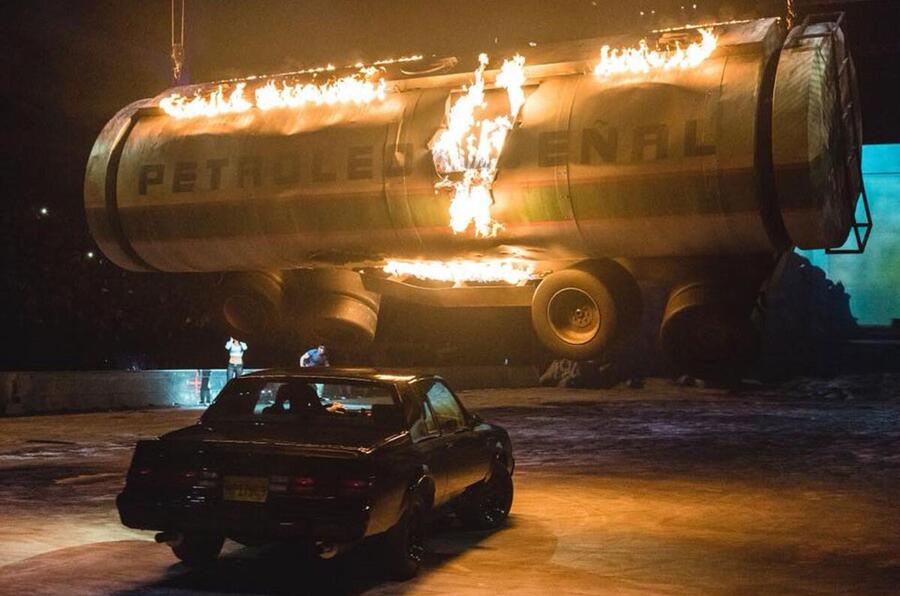
Far-fetched crashes and disproportionate explosions do nothing for me. They're used as a desperate attempt to entertain when really they achieve the exact opposite, dulling any sense of believability. In many ways, the rise of CGI has been the downfall of the Fast and Furious franchise.
Back in the early 2000s, these were car movies first and action movies second. Now they're just a series of utterly impossible stunts and chase scenes with some priceless hypercars thrown in as support actors (and Vin Diesel mumbling "family" every 10 minutes).
This is why I get a more tangible thrill from movie car chases of the past: well-choreographed sequences with real cars, real stunts and the unmistakable sense that a human is actually behind the wheel deliver a visceral experience that we car lovers can enjoy.
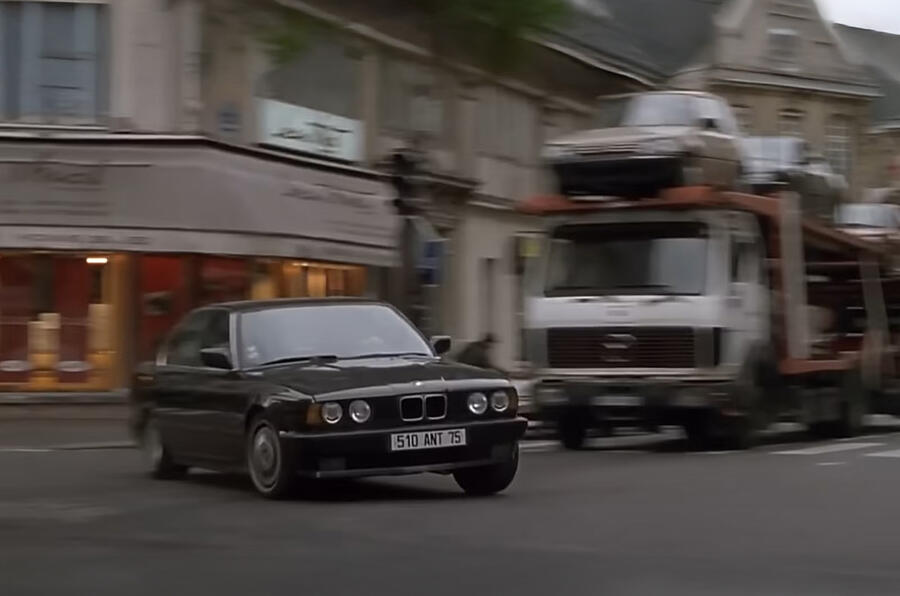
Take 1998's Ronin, for example. The chief of police in Paris told the production crew they could basically do what they liked, so stunt co-ordinator and former racer Jean-Claude Lagniez ensured the cars were really doing 100-125mph during the chase.
In fact, he scripted the entire chase, chose the cars and planned how the accidents would happen. The pivotal scene in the tunnel was shot at night and filmed at full speed because director John Frankenheimer (who had in 1966 directed the excellent Grand Prix) refused to speed it up in the edit, as he wanted it to feel real.
The details are spot on, too: there are no silly misplaced gearchanges, no randomly cut scenes of the hero accelerating hard while already driving flat out, no slide-whistle barrel rolls.
That's what makes this fine example of the genre (and other car chases in movies like the Jason Bourne series, Quantum of Solace and Baby Driver) so captivating, because you feel like you're in the passenger seat with the protagonists. They're real, they're exciting to watch and they ensure that we petrolheads leave the cinema with something to talk about, no matter the quality of the rest of the film.
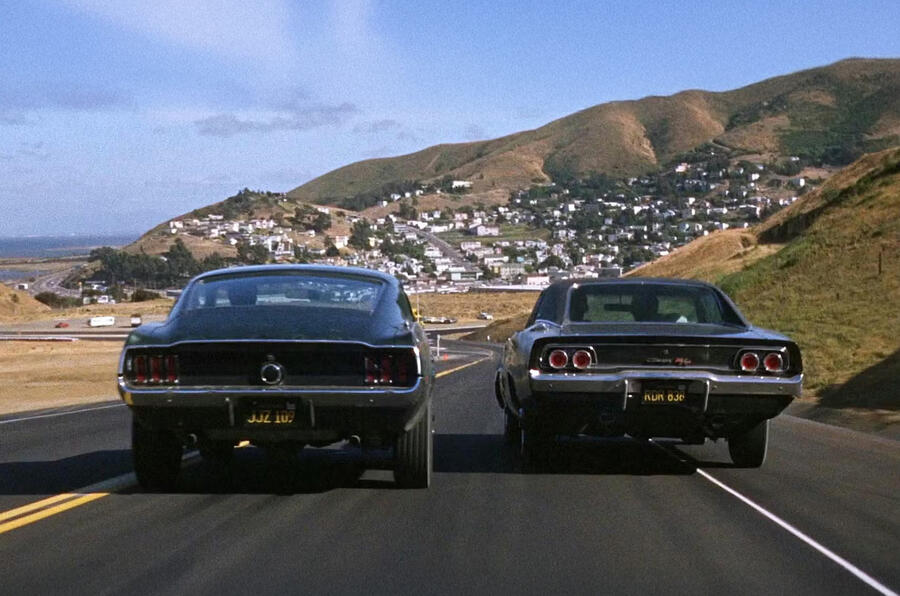
Look at Bullitt (1968): I must have watched the entirety of that 11-minute chase 30 times but couldn't tell you anything about the characters involved, nor what the movie is really about. What a classic.