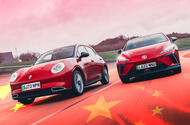
Chinese car makers hit with tariffs of up to 37.6% while negotiations between Europe and China continue
The EU will apply provisional tariffs to Chinese EVs from today (4 July) while negotiations with the Chinese government continue ahead of a November deadline for making them 'permanent'.
The extra tariffs hit MG owner SAIC particularly hard, after the EU’s law-making body, the European Commission, accused it of failing to properly co-operate with the investigation.Â
SAIC has to pay an additional 37.6% on the wholesale price of imported EVs on top of the 10% that it was already being charged. The figure is 0.5% below the initial published figure following negotiations.
BYD must pay an additional 17.4% tariff and Geely (owner of Lotus, Polestar and Volvo) an extra 19.9%, according to a European Commission statement.Â
Other Chinese firms are hit with either a 20.8% additional tariff if they co-operated or 37.6% if they didn’t.
Those that did include eGT New Energy Automotive, which builds the Dacia Spring, and BMW Brilliance Automotive, which makes the BMW iX3.
Those that didn't include Spotlight Automotive, a joint venture between BMW and Great Wall Motor that makes the electric Mini Cooper.
Cheaper Chinese EVs “cause a threat of economic injury to EU BEV producersâ€, the European Commission said in statement. It applied extra tariffs after concluding that the BEV value chain in China “benefits from unfair subsidisationâ€.
German car makers have been vocal in their opposition in the tariffs. Mercedes-Benz, BMW and the Volkswagen Group sell more cars in China than any other market, and the imposition of tariffs risk a retaliation from China that might threaten their high-profit export of high-end ICE cars to China.
China has been targeting Germany specifically to pressure the European Commission into dropping the extra tariffs.
The provisional tariffs will last for four months, after which 'permanent' tariffs will be applied, lasting for five years.
Negotiations with China are ongoing to reach “a WTO-compatible solutionâ€, the European Commission said, in reference to the World Trade Organisation.
The EU is the biggest export destination for Chinese EVs, representing 33% of the total in 2023, the European Commission noted.
In a report explaining its decision, it said: “Prices of BEVs on the [EU] market are significantly higher than prices of BEVs on the Chinese market and therefore provide to the Chinese exporting producers the opportunity to realize higher profits."
The EU market is also attractive due to legislative push to increase EV sales and so reduce average CO2 levels.
The UK has so far not followed the EU in raising tariffs on Chinese EVs, but the question will likely go straight to the top of a transport-related to-do list for the next government.
Automotive executives and industry watchers have concluded that the UK “will have to followâ€Â the EU or face increased pressure from Chinese makers to shift EV sales here.
A UK investigation into whether Chinese EV makers benefit from unfair subsidies can be raised by Trade Remedies Authority but only if it receives a complaint from a British manufacturer.
In “exceptional circumstancesâ€, the Secretary of State can also force an investigation. As of last week, no complaint had been made, according to a source within the British industry's lobby group, the SMMT.Â