German giant outlines plans to cut complexity and boost competitiveness globally after profits slide
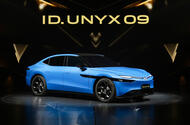
Volkswagen could build and sell some of its advanced new China-only models, such as the sleek new ID Unyx 09 saloon, in Europe as part of efforts to accelerate its transformation plan and boost its competitiveness.
Speaking after the release of the Volkswagen Group’s first-quarter financial results, in which the firm’s operating profit fell by 14% to €2.5 billion (£2.2bn), CEO Oliver Blume said the firm had made “tangible progress†in its transformation plan despite numerous global headwinds – but added that “we need to step up our transformation planâ€.
To achieve that, Blume outlined a series of measures including “significantly cutting the number of models from about 150 currently and reducing the number of variantsâ€. He didn’t go into specifics over which models might be cut, but the reduction is expected to hit “double-digit†percentages. He added: “We will focus on these projects that make a tangible difference for our customers.â€
Other measures detailed as part of the transformation plan including a more focused approach to technology, reducing governance complexity at group level, increasing efficiencies and “right-sizing†production capacity to around nine million cars per year.
Adapting the group’s production strategy is considered vital to allowing it to compete against Chinese rivals operating highly streamlined production networks, especially as those firms start to build European factories.
Blume described closing plants as “the worst, most costly†option and said the Volkswagen Group was looking at how to utilise capacity on other projects. The initial focus is on taking on work from the defence industry, but Blume said he was open to the company building Chinese models – whether Volkswagen-derived ones or those from joint-venture partners – in its European plants.
The firm has just introduced a new China-only Compact Main Platform (CMP) that has been co-developed with Chinese firm Xpeng, which features an advanced electrical architecture and is designed to underpin a range of EVs developed specifically for China and built locally.
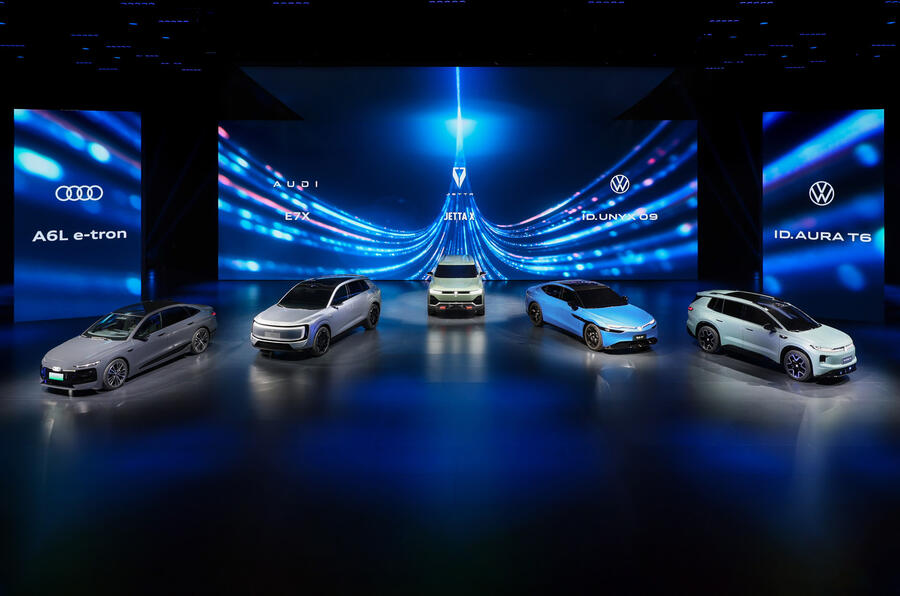
The first models using that platform were launched at the Beijing motor show recently, including the Volkswagen ID Aura T6 SUV and the striking ID Unyx 09 saloon. Blume hinted that those models could eventually be exported to markets such as South America, Asia, the Middle East and India.
He added: “It's too early to decide if we want to localise a Chinese platform in Germany, but if we would do it, our priority would be to take one of our own platforms first.
"This year we are ramping up the CMP platform, which is planned for 2027 in China. This work has to be done first, and then we could think about options in Europe and check which products could be the right ones.
“We are getting right now the feedback and response from the market for our first new product in China. Then we will decide, depending on the success we have in China, which models would fit in Europe, especially in segments where we are not present with our current portfolio in Europe.â€
Blume said a “second step†could be to offer European production capacity for some of its Chinese joint-venture partners, which include MG owner SAIC and FAW, calling it a potential “clever solution to reduce [spare] capacities".
The Volkswagen Group’s push to introduce China-only platforms is part of a major push to regain standing in the region. Once the dominant player in the market, it has faced a stiff challenge from Chinese brands lately, with its sales in the country in the opening quarter of 2026 falling 20% year on year.
Blume said that “having a strong footprint†in China meant the Volkswagen Group's Western operations could benefit from “innovation, speed and practicesâ€. He called the Chinese ecosystem “a blueprint in terms of architecture, including for our Rivian [software] joint venture in the Western world.â€
Overall, deliveries in the first quarter of 2026 were down 4.0% year on year to 2.0 million vehicles, mostly due to declining sales in the USÂ and China. The group sold 200,000 electric cars, down 7.7% year on year.