In-car safety systems are getting more intrusive, and firms are vilified if they don't fit them - does the public care?
I wonder if anyone outside of the world of printer sales is sad that we’re buying fewer of them.Â
In its annual ‘How We Shop, Live and Look’ report in October, the department store John Lewis said that its sales of home printers had fallen by 26% during the past year.
It even conceded that the printer is “resented… a destroyer of homework, voracious devourer of ink†– and it usually tries to be nice enough about things it sells that you will buy one.
Is there a more hated domestic device? The printer industry has a horrible reputation for adopting the worst bits of the tech world, trying to control our behaviour by forcing the purchase of specific expensive ink cartridges, even if the colour you need hasn’t run out, automatically updating software to reduce capability, locking out microchipped cartridges and trapping us into subscriptions. My toaster doesn’t do that.Â
“The band Rage Against The Machine never specified which machine they were furious with, but I bet it was a printer,†said one online wag. There are even ‘smash rooms’ where you can pay to beat the living daylights out of one. No other domestic appliance is so despised.
But then I don’t suppose a car is a domestic appliance as it tries to tug the steering wheel from your hands or bongs at you for looking at a scooterist who you’re trying not to run over.
Yes, the latest batch of the European Union’s General Safety Regulations legislation (GSR2), which the UK has adopted too, will come into force in 2024, and it’s now starting to affect the latest cars (plus has necessitated some going off sale). And I fear that it’s going to give the car industry a printer moment.
As our correspondent John Evans recently reported, drivers are finding some of the latest safety features annoying, to the apparent surprise of those who helped to mandate them.
They’ve come from good intentions – printer accidents don’t kill more than 1500 people in the UK each year – but they don’t work well enough, mostly by pinging too many false positives.
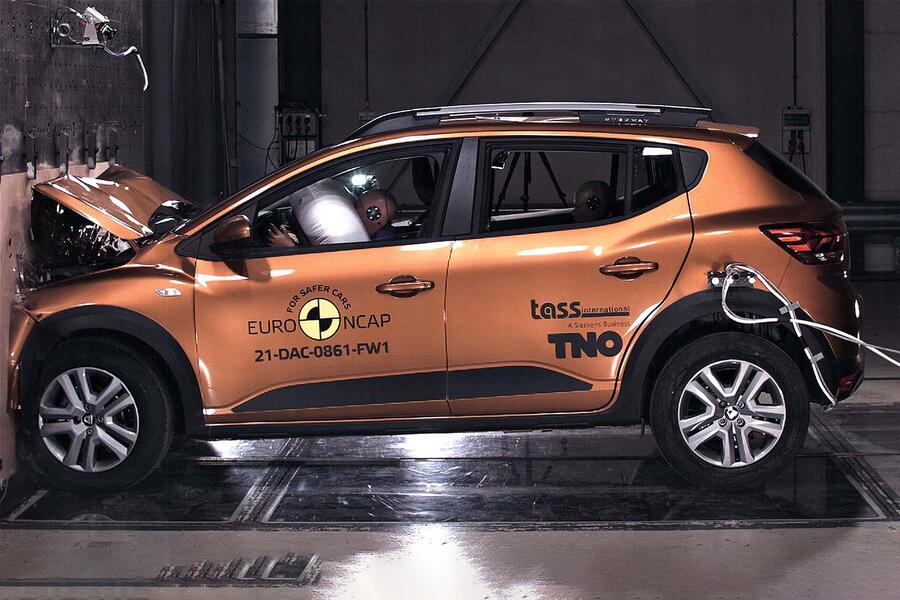
“There’s a worrying trend of media and social channels encouraging drivers to turn [safety systems] off,†says Euro NCAP secretary-general Michiel van Ratingen. I suppose that’s us. Me. But what would you do with a system that pulls at the wheel unnecessarily, says you’re speeding because it can’t read road signs, thinks you’re tired when you check a blindspot or threatens to brake when you pass a parked car? You would either turn it off or get out and set fire to the car.
There are automotive engineers who know this too – and those who know that, developed as well as these systems are, they’re not good enough yet. But the industry, still smarting from and rightly humbled by fallout from the Dieselgate emissions scandal, is wary of upsetting regulators.
Former Citroën CEO Vincent Cobée told me he “wouldn’t talk about [Euro NCAP]â€. Dacia did when it defended its right to offer cars cheaply and with as few safety systems as it could legally fit. Euro NCAP quickly and widely shamed it and parent firm the Renault Group by reassessing the ageing Renault Zoe and awarding it zero stars, stating that “safety had become collateral damage in the group’s transition to electric carsâ€. Is it any wonder others won’t step out of line?
But while the industry may not want to upset the regulators, the public are less bothered. The two-star-rated Dacia Sandero is the most popular privately bought car in Europe. As printer manufacturers are finding, you can’t make people buy things they hate.