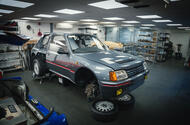
Chris Tolman fell in love with cars on a rally stage.
"I would have been 11 years old when my dad took me to watch the 1986 RAC Rally, one of the very last Group B events," he says.
"That was the ignition of my Peugeot 205 T16 obsession. To see Juha Kankkunen's car spit flames was completely mind-blowing."
That his Tolman Engineering business is now an ideal destination for stricken rally heroes is wonderfully full circle. And an interesting thing is happening, reckons Tolman: handfuls of the road-going specials produced for Group B homologation are now coming onto the market for the first time.
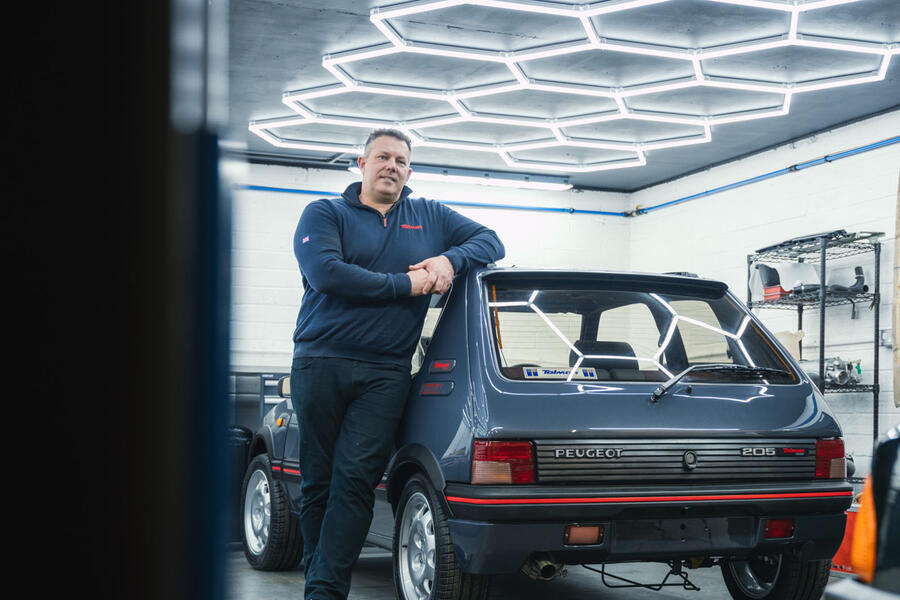
Some of them, though, are in serious need of love. "It appears a lot of these cars went into collections when new," he says. "Those who could afford them in 1985 were probably in their forties or fifties. Now we're 40 years down the line, perhaps their collections are being moved on."
This poses a problem when their perishable parts have, well, perished: "We've got a new generation of people getting into these cars and going: 'Oh my God. Where do you get this done? What do you do?"
Calling Tolman is a pretty good place to start. In a storied career, he has gone from spannering World Rally Championship cars in service parks to running his own race team, his eager, hands-on spirit not dimming once.
If anyone can confidently navigate their way beneath a 205 T16 now or indeed its MG Metro 6R4, Ford RS200 or Lancia Delta S4 brethren it's him.
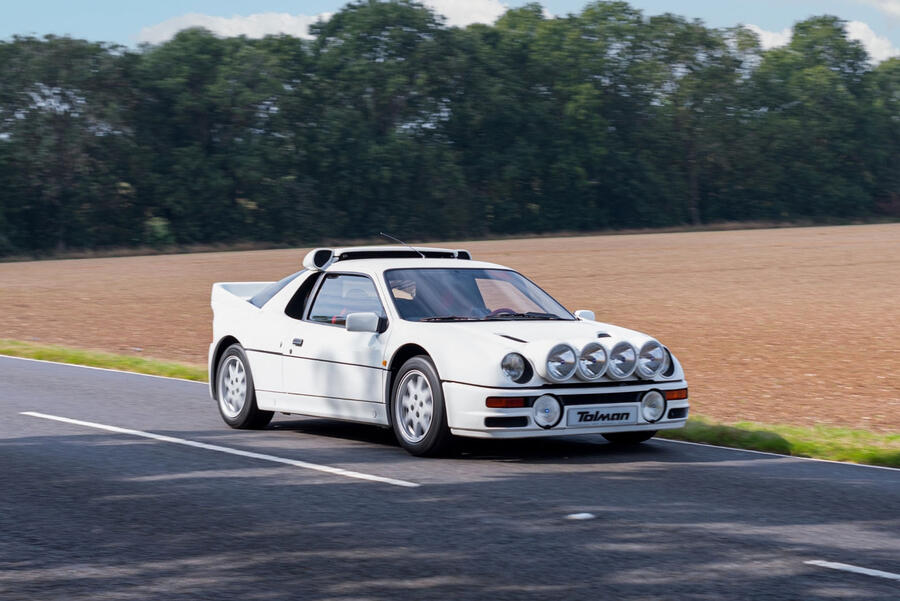
The incredibly liberal Group B rulebook was in place from 1982 to 1986 and remains legendary for the wild rally cars spun from it. So wild that the era drew to a premature close when its performance levels far outstripped the safety measures protecting drivers and spectators.
One infamously fluid area of its regulation was the policing of the mandatory 200 road car registrations needed to homologate each Group B competitor.
Perhaps nowadays car makers could easily make a healthy profit with the promise of rarity and artisanal construction, but the mid-1980s presented a different landscape.
Rumours of teams producing far fewer road cars than necessary and creatively subverting inspections to avoid FIA reprimand are rife.
Fewer cars to buy means higher values now and the desire of owners to properly fettle theirs as they roll out of hibernation. Which poses a conundrum for anyone looking to sympathetically tickle the performance or refinement of cars that weren't quite as untamed as their stickered-up siblings.
"Originality equals value, but anything is possible if you want to pay to do it," says Tolman.
"Fitting a modern engine management system unlocks a lot more performance, drivability and safety. Tyres and dampers have obviously undergone big changes in the past 40 years too. Generally speaking, Group B cars are racing cars, so their geometry is good, but they're still using a damper from the 1980s.
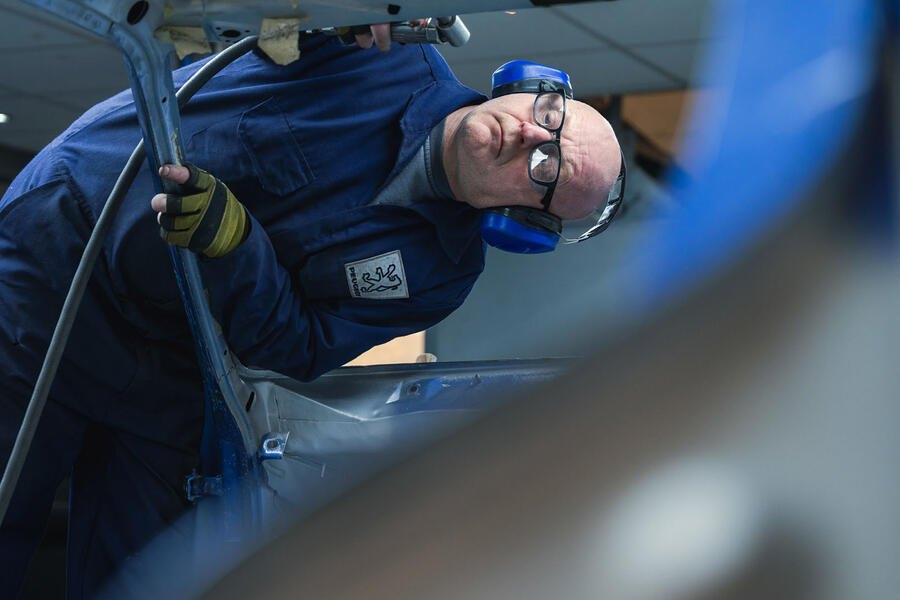
"We converted an RS200 to modern management, but it meant we had to change a lot of parts. We kept all of the originals and we even made a new wiring loom that plugged into the existing one, ensuring the work could be reversed, although I don't think anybody is ever going to put it back to original."
Wish to throw values to the wind in pursuit of bona fide Group B performance for the road? That's on the table too.
The darling of Tolman's affection, the 205 T16, produced around 200bhp in road-going spec for 0-62mph in 6.0sec figures half as impressive as those for the Peugeot Talbot Sport car that scooped consecutive WRC titles.
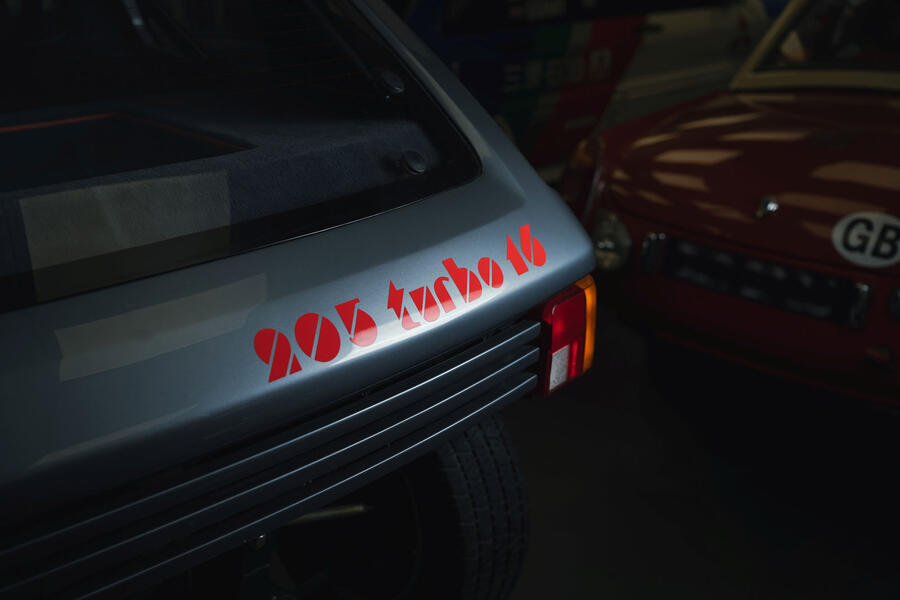
"They're all turbocharged and they were all built for it," affirms Tolman. "You can pretty much do anything you would like. Once you start putting five or six-hundred horsepower into them, they're ridiculously quick cars. And with no driver aids. Start pushing big numbers through them and they are terrifying."
As values soar, it's surely no surprise that Group B specials of any output are typically squirrelled away for winter. "Most people are quite scared of road salt and wet weather, which is ironic when you think about what rally cars are designed to do," smiles Tolman.
Keen to tap up his services? Allow up to 12 months for a full restoration and a budget potentially into six figures.
"If you want to keep it original," he explains, "you're talking about stripping the car down completely to make everything work safely and putting it back together without changing anything.
"It's a bit like art: the person who created the painting did it for next to nothing. Hundreds of years later it's worth millions of pounds. So how long does the person repairing it spend, and at what cost?"
Prices for genuine Group B cars (whether rally-spec or road-going) typically start at £250,000, according to Chris Tolman. A 205 T16 or RS200 certainly will if you can source one for sale.
"Delta S4s can change hands for well over £1 million each," he adds — a bar that is hurdled by short-wheelbase Audi Sport Quattros too. "They're only going to go up because they're increasingly rare," he predicts. "They generally come to market from a much wider collection of cars."