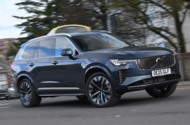
Volvo set to expand line-up of PHEVs as EV adoption slows, warning that the ZEV mandate needs a “reality checkâ€
Volvo will double down on long-range plug-in hybrids (PHEVs) in the UK over the coming years, in response to slower than expected demand for pure-electric models.Â
Speaking to Autocar, Volvo UK boss Nicole Melillo Shaw said PHEVs will continue to serve as a “stepping stone†for buyers who aren’t yet ready to take the leap into an electric car. However, Melillo Shaw noted that hybrids need to offer a very long electric-only range in order to help Volvo buyers transition smoothly to pure-EV models.Â
“The important nuance here is not the number of hybrids we sell: it’s whether people are driving them as a hybrid rather than just as a petrol car,†said Melillo Shaw
“In the past, when plug-in ranges were very low, drivers rarely charged them. Volvo has invested heavily in making sure our hybrids offer a long range so that people can use them as intended. So then it becomes a true stepping stone, and we’ll make sure we have that range available to our customers.â€
While Volvo UK's pure-electric sales have increased significantly in recent years – going from 4556 in 2022 to nearly 18,000 in 2024, and 9000 in the first seven months of 2026 – its combustion-powered cars remain vastly more popular. Petrol has powered around 75% (31,000) of the brand's UK sales so far this year, and of those almost 7000 were plug-in hybrids.
Volvo currently offers plug-in hybrid versions of the XC60 and XC90 SUVs, offering a maximum EV range of around 50 miles. However, the new XC70, launched in China and planned for Europe soon, is the first of its so-called ‘long-range’ PHEVs and offers a claimed engine-off range of 124 miles - longer than any PHEV on sale in the UK today (albeit that figure is according to China’s generous testing cycle).Â
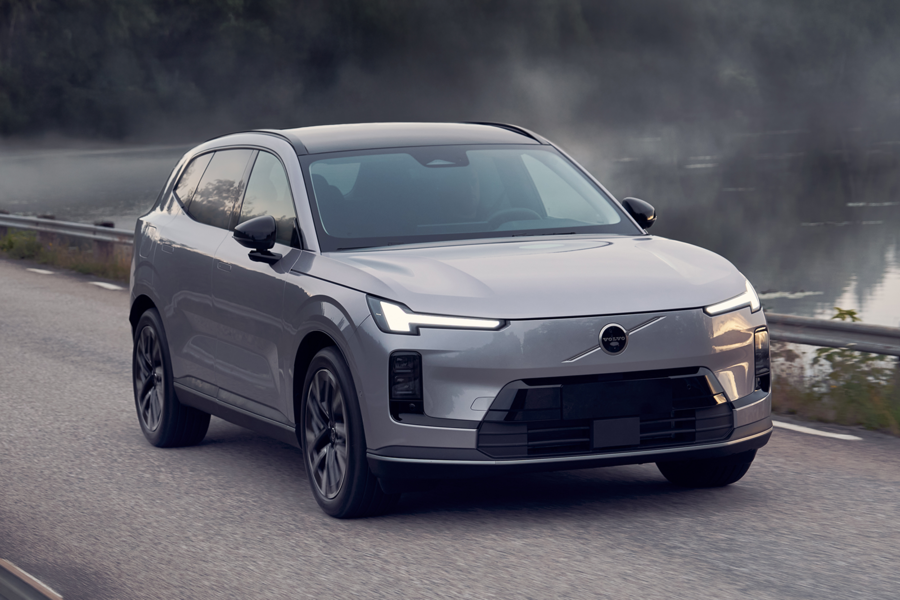
Automotive News recently reported that an upcoming refresh for the XC60 will add a similarly capable long-range PHEV option, with a larger battery set to more than double its EV range.Â
While Melillo Shaw highlighted the ongoing need for hybrid models such as these, she reaffirmed the brand’s commitment to electrification. However, with EV adoption lagging behind initial forecasts, she called for a “reality check†regarding zero-emission vehicle (ZEV) mandate targets, which are currently under review by the government.Â
“If everyone decided to drive an electric car tomorrow, we are set up to support that, so there are no concerns from an innovation standpoint,†said Melillo Shaw.Â
“But If consumer adoption isn't moving at the expected speed, then how can we work together, industry and government, so the outcome isn't just punitive? We need to step back, assess the reality, and partner to keep moving forward.â€Â
Melillo Shaw added that the mandate needs “to examine the facts and data†and assess the consumer adoption curve, not just “EV registration numbers driven by heavy discountingâ€.
The UK government launched a review last week that will consider whether to soften ZEV mandate targets for electric car sales from 2027 to 2035.
Under the current guidelines, new combustion cars must feature some form of hybrid element in order to remain on sale beyond 2030, with all new UK cars going fully electric by 2035.Â