Due to begin in October, the new GDL system will limit freedoms for young and novice drivers to cut crashes
Northern Ireland will become the first country in the UK to introduce a graduated driving licence system for young and novice drivers, in a bid to reduce serious and fatal collisions.
Due to be introduced on 1 October, the graduated driving licences (GDLs) will impose a night-time restriction on drivers aged under 24Â for six months: they will be permitted to have only one passenger aged between 14 and 20 in their car between 11pm and 6am.
The Northern Irish government will also introduce limits on passengers for new drivers at night time, with an exemption for immediate family members. This won't apply, however, if the driver is supervised from the front passenger seat by somebody aged 21 or over who has held their licence for at least three years.
New drivers will be required to display an R plate (for 'restricted') for two years after passing, rather than the current one year – although the 72kmh (45mph) speed limit imposed by the R plate will be scrapped.
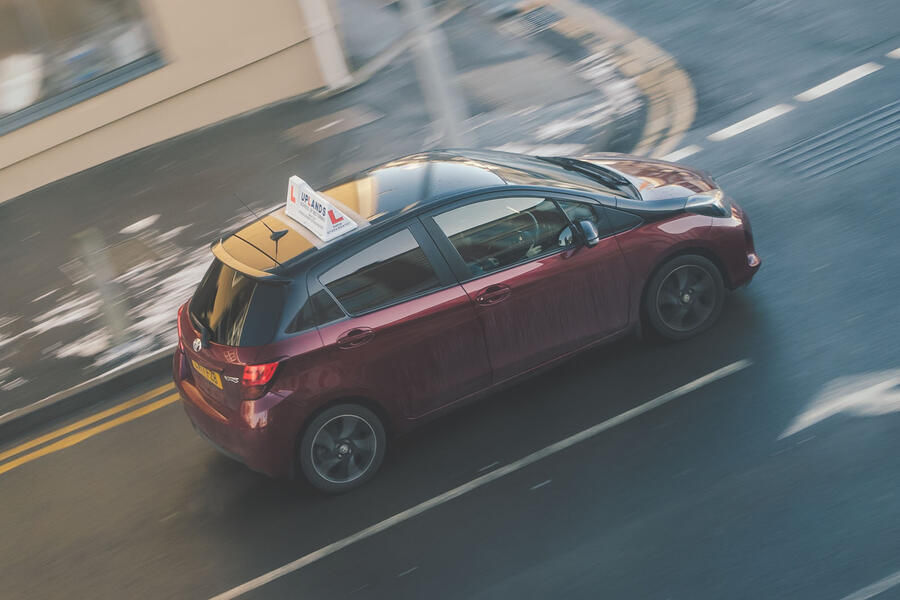
The process of learning to drive will too be reformed with the introduction of the GDL. Learners will be made to take lessons for at least six months before they are able to take a practical driving test. A curriculum for their learning will be introduced, requiring the completion of 14 modules, signed off by an instructor or a supervising driver, such as a parent.
Learners will also be allowed to drive on the motorway with an approved instructor.
The GDL was described by Northern Ireland’s infrastructure minister, Liz Kimmins, as “the most significant reform to driver licensing and testing in almost 70 yearsâ€.
Kimmins pointed out that drivers aged between 17 and 23 accounted for 24% of fatal or serious collisions in the country in 2024, despite them holding just 8% of driving licenses.Â
“Behind these figures are too many shattered lives as loved ones who set off on an everyday journey suffer life-changing injuries or are never coming home to their family and friends,†she said.
It remains to be seen whether GDLs will be introduced across the rest of the UK. Motoring organisations and safety pressure groups have previously called for the scheme to be considered.Â
Edmund King, president of the AA, said in 2024: “The AA believes we need a system of graduated learning with a logbook whereby all learners need to demonstrate their skills on all types of roads and crucially on rural roads, where 71% of new driver fatal crashes occur, and in different weather conditions and different times of day or night.
"Once they have passed their test, the driver shouldn’t be allowed to carry same-age passengers for at least six months, as research shows that with every same-age passenger, they are four times more likely to crash.â€
GDLs weren't included in the UK government’s recent announcement of an updated road safety strategy, although it is considering a mandatory six-month learning period for novices.
Lilian Greenwood, parliamentary under-secretary of state for the Department for Transport, said in 2025: “Although we are not considering graduated driving licences, we absolutely recognise that young people are disproportionately the victims of tragic collisions on our roads, which is why we are exploring options to tackle the root causes of the issue without unfairly penalising young drivers.
"The government want to ensure young people’s access to employment, education and other opportunities while keeping them safe on the roads.â€