Factory will begin building i3 saloon in August, followed by other Neue Klasse EVs from end of 2027
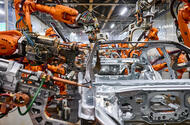
BMW has radically upgraded its core Munich plant in a €650 million (£567m) overhaul for the Neue Klasse age, bringing in thousands of robots, completely transforming most of its production techniques, and powering it with an AI brain.
A huge chunk of the money has been spent constructing a new three-storey i3 assembly building, which sits at the heart of the 104-year-old site, and gutting and refitting the body, paint and press shops with new tech that is said to reduce production complexity.
But the brand says the most important addition is the new 'AI brain', which has been created to streamline operations and is described by incoming BMW CEO Milan Nedeljković as “unique in our industryâ€.
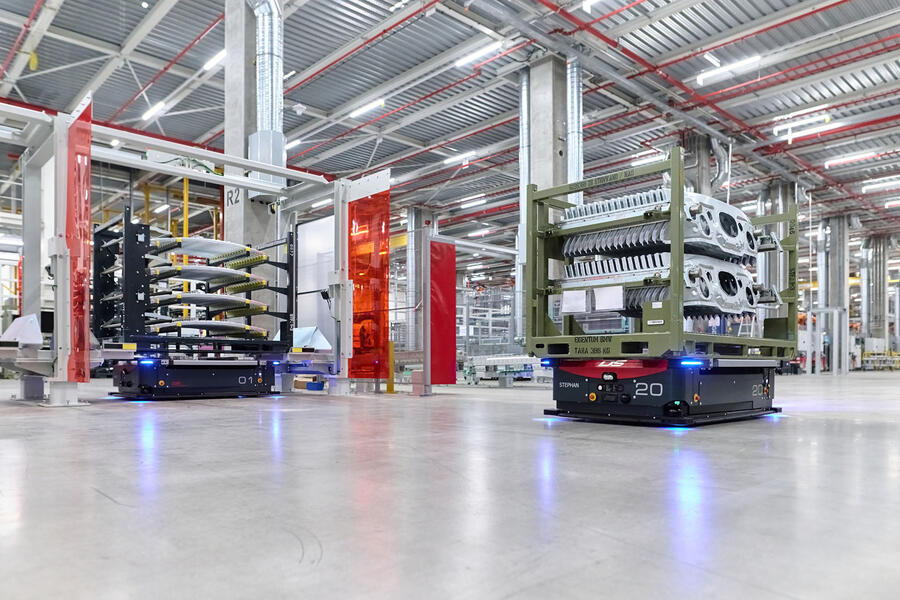
The system controls everything from the production lines and quality control to logistics. The latter includes a fleet of around 200 electric roaming robots that transport stock from lorries to lines – and BMW calls these the “backbone†of the new factory, with the “last mile†of all logistical operations carried out by these machines. By 2027, they will complete 17,000 operations a day.Â
Notably, the brain can also run thousands of future processes in real time via digital twins in a bid to improve efficiency.Â
Other car makers have also tested such a concept, but not at this kind of scale. For example, Hyundai has its Innovation Centre concept in Singapore, which uses a similar AI brain and robotic dogs to build and deliver cars just six hours after an order is placed. However, production is limited to just a few dozen a day, whereas BMW’s Munich site will build up to 1000 i3 saloons a day when production begins in August.
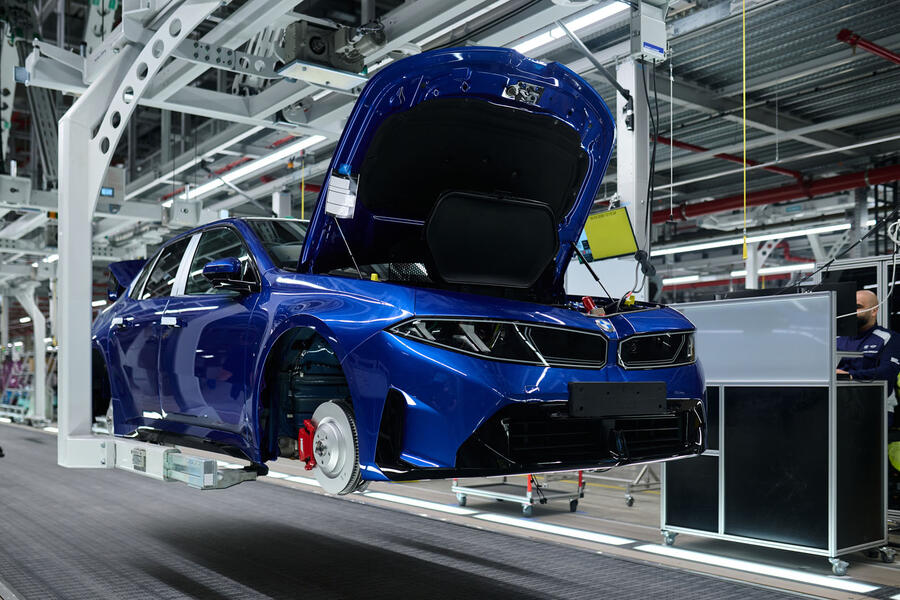
BMW calls this its 'iFactory' and the concept will be rolled out to all BMW plants in the future, said Nedeljković, although a timeframe has not yet been set.
“The iFactory is a masterplan for our production of the future,†said Nedeljković at the opening of the site, which will build EVs exclusively from the end of 2027.
“It is built on four strategic fields: efficiency, sustainability, digitalisation and people. And these form the basis for our competitiveness,†he added.
Another key aspect of the iFactory is its flexibility, because it is designed to produce multiple variants that use the same platform on the same line. Indeed, if major changes are needed – such as to pivot to a completely different model – teams are able to change sequences and specifications of the lines in six days, something BMW says normally takes weeks or even months.
Such flexibility is vital in an age of constantly changing legislation and buyer preferences, especially around EVs, said Nedeljković. He also described this as “unique†in the automotive industry, adding that “it forms the basis of our core principle: production follows the marketâ€.
He added: “We are able to flexibly allocate volume to follow market demands."
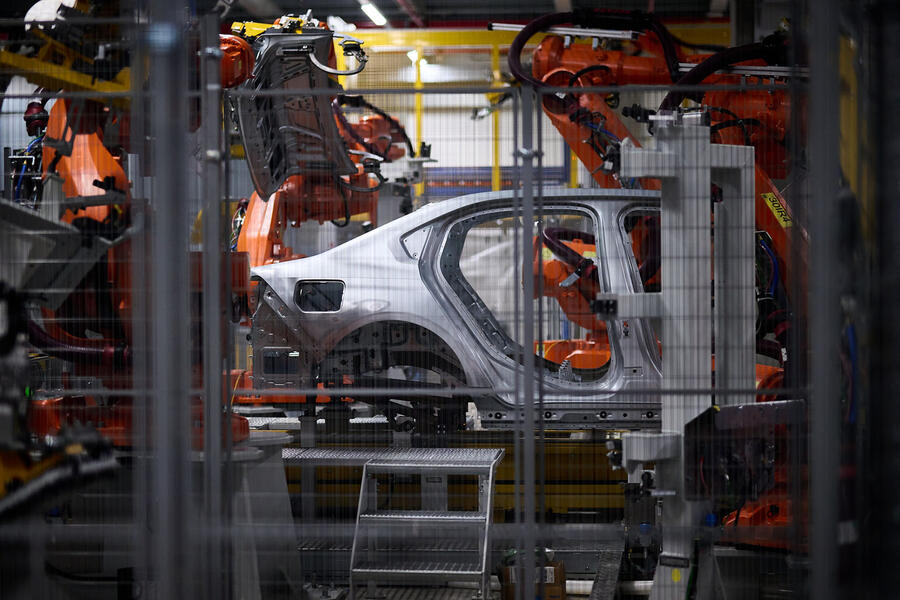
AI is used on the production lines too, where 2000 robotic arms piece together and paint the i3s. Here, BMW also uses the technology to pick out defects and then repair them. For example, one robot arm will note a flaw (by taking and assessing hundreds of pictures) and another will fix it, usually by buffing or welding. This leads to fewer issues being found at the end of production.Â
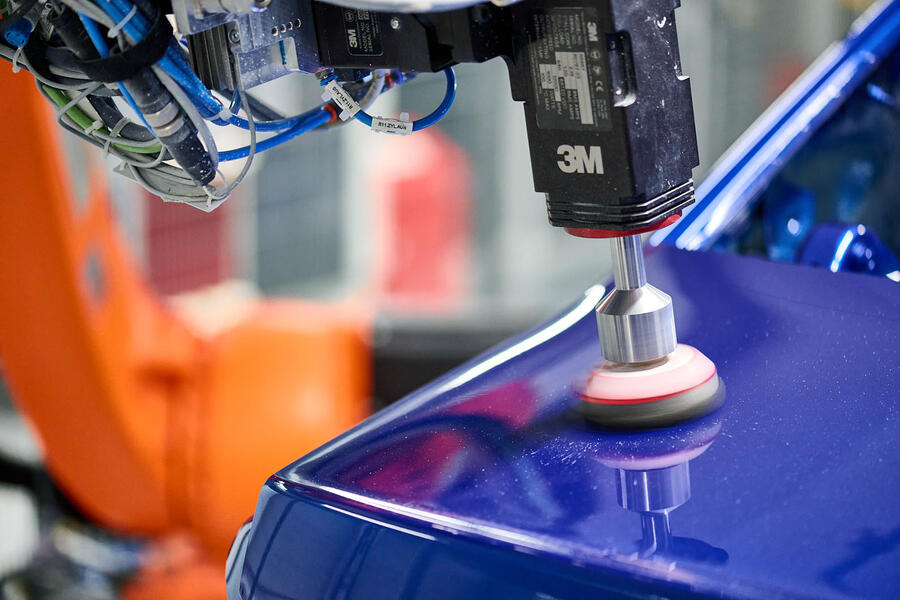
“We get a higher-quality car to the next stage,†said tech project lead Christian Hecht. “This is better for our time and better for the overall quality of the car.â€
Plant director Peter Weber said the introduction of the new robots and AI systems would not affect jobs at the factory and would instead aid employees in their roles while helping to create better vehicles. For example, the fitting of doors, interiors and wiring will continue to be done by human workers, albeit with the help of machines.
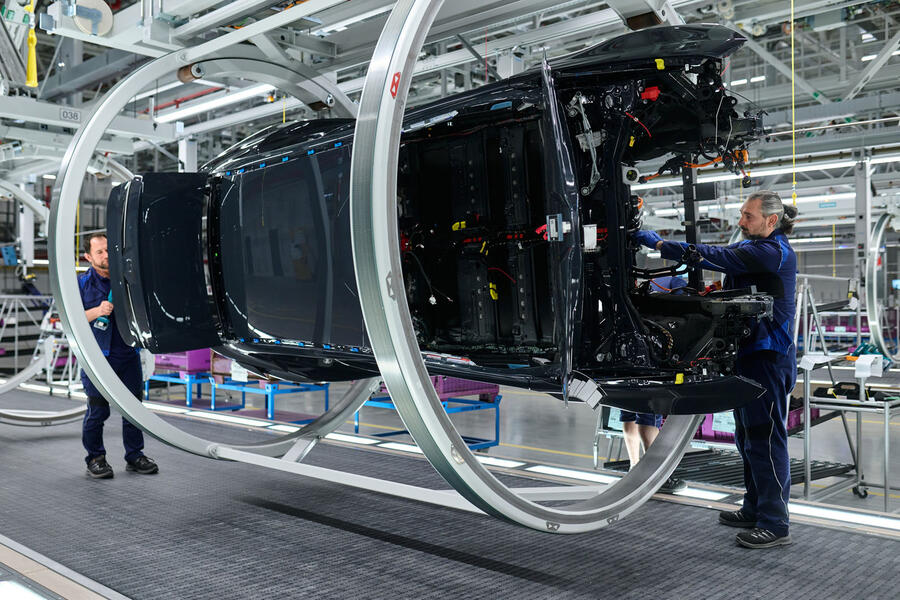
He added: “All in all, this is a competitive plant ready for a new era. This new era starts in August with the start of the series production of the BMW i3 and further models will follow soon."