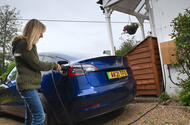
Volatile energy prices have made charging much pricier in recent years – so how can company car drivers keep a lid on their costs?
Electric vehicles have come a long way in the last ten years. With longer ranges, lower prices and faster charging, even long-haul company car drivers can switch to battery power – but it’s not as cheap as it once was.
Inflated by higher energy prices, the cost of charging an electric car has surged since the end of 2021, and HMRC’s approved mileage rates for company car drivers don’t always cover those costs. However, a few small changes in behaviour can make a big difference. Here are our top tips.
1. Smooth and steady driving
There’s a lot to love about EVs’ straight-line pace, but they’re much more sensitive to driving style than petrol or diesel cars.Â
Shifting into Eco mode can help soften throttle responses and support more energy-efficient driving. And a gentler right foot while braking is also helpful.
Although EVs have a traditional friction braking system, they tend to only use them when they need to stop quickly. The rest of the time, they’re using magnetic resistance within the motor to slow down, and this regenerative braking (or regen) produces electricity that’s fed back into the battery.Â
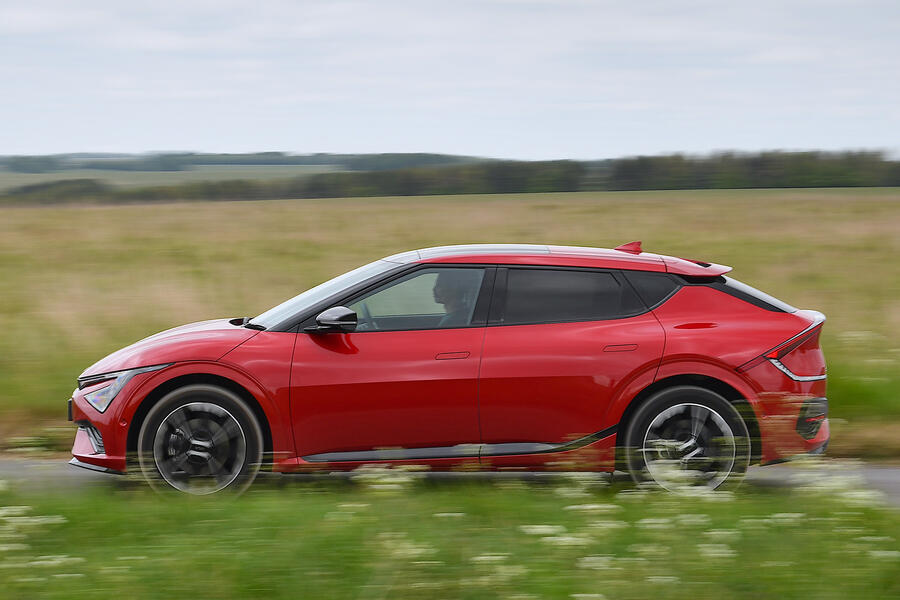
By looking further ahead and backing off a bit earlier for junctions, you’ll be doing more braking using regen and wring a few extra miles out of every charge.Â
2. Plug in at home
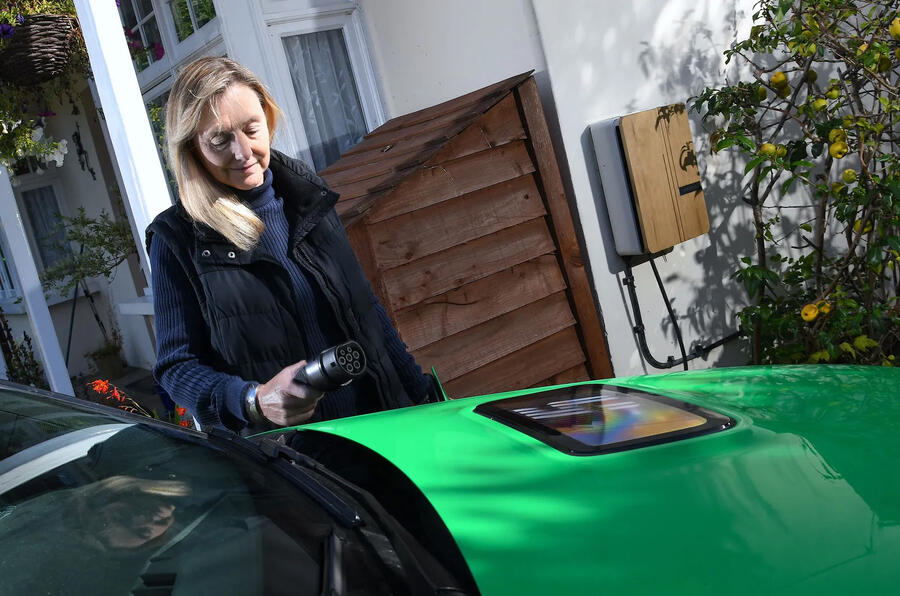
If you’re lucky enough to have somewhere to plug in at home, it’s almost always the most convenient and cheapest place to charge.
For example, the Tesla Model Y – one of the UK’s best-selling EV – officially travels 4.6 miles per kWh of electricity in Premium Long Range trim. That’s less than 6p per mile if you’re on an Ofgem-capped home energy tariff, or around half the cost of the slowest public chargers, according to Zap-Map’s latest price data.
Ordering one is easy. Most leasing companies have options to add a home charger while speccing a company car, and your employer can pay for it without any tax implications. If you’re doing a lot of business mileage, they will quickly recover that cost by avoiding paying for expensive public chargers.
3. Charge overnight
Wholesale electricity costs change constantly, as they’re set by the most expensive source of that energy.Â
Utility companies pay more during the day, when demand is greater and there’s a larger share coming from fossil-fuelled power plants, and less at night, when cheaper renewables are doing most of the work. Some of them also offer tariffs that pass those cheaper costs onto customers.
An EV-focused tariff (as offered by E.ON and Octopus) slashes energy costs by around two thirds during off-peak hours, which are typically between midnight and 6am.Â
That’s less than 2p per mile for the Tesla Model Y Long Range, or equivalent to 455mpg in a petrol car. Most EVs and all new home chargers will let you preset charging times to match cheaper energy rates.Â
4. Be smarter with public chargingÂ
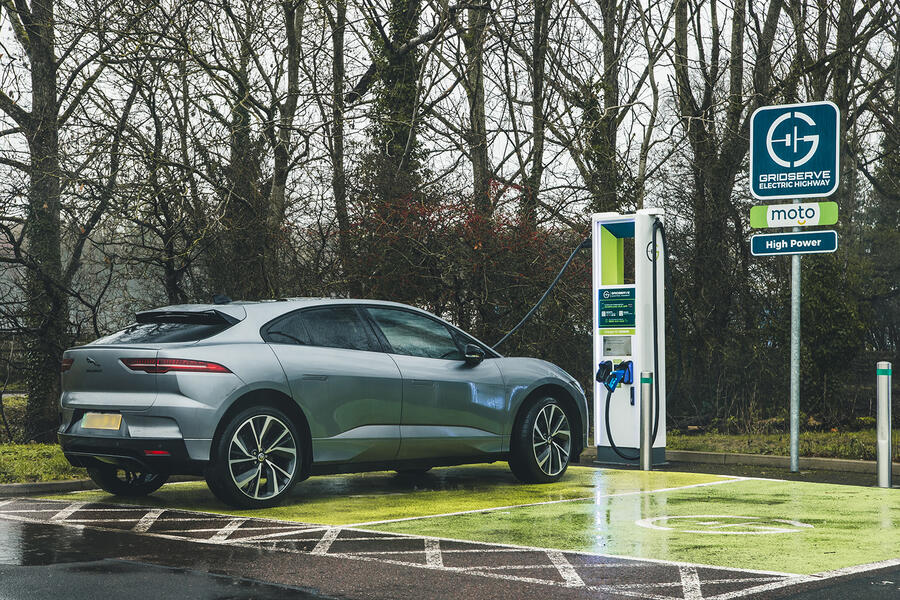
It has never been easier to access a public charger. Most new AC and all DC rapid chargers are required by law to offer contactless payments without having to sign up as a member. That’s a positive step, but it’s often the most expensive way to use them.Â
Several charging networks have paid-for membership schemes with reduced rates. Ionity, for example, offers a 43% discount for £10.50 per month. Tesla also offers discounted Supercharging for drivers in other EVs, for a £9.99 monthly fee. That’s worth considering if you’re a high-mileage user.Â
5. Join a roaming service
Don’t want to confine your discounts to a single charging network? Roaming services, such as Bonnet and Octopus Electroverse offer cut-price electrons (and other perks) across multiple brands, all from a single membership.Â
Each one works a little differently. Bonnet offers up to 15% off the advertised rate for its top-tier membership, while Octopus is free and offers up to 8% off all partner networks for its home energy customers with ‘plunge’ pricing when there’s an abundance of green energy on the grid.Â
As an added bonus, you get all of your public charging invoices in one place, which is useful if you're sorting out your expenses claims at the end of the month.
6. Top up at work
Workplace charging is more common for van fleets, but it can also help company car drivers to go electric.Â
Work is a convenient place to plug in if you can’t do it at home, while also avoiding relying on expensive public chargers. That’s a win-win for most employers, some of whom offer discounted rates to help drivers, and there’s plenty of support available to help them put that equipment in the ground.Â
Fleets can claim up to £350 per socket for up to 40 workplace chargers and provide free charging without drivers being taxed for it, even if it isn’t used for business trips. That includes plugging in at your passenger’s workplace if you’re carpooling, but it’s worth check with their boss before you do so.
7. Hot tips
All cars lose a bit of range when temperatures drop off, but it’s more obvious with an EV. Cold conditions slow the chemical reactions in the battery, which hurts efficiency, and there’s no petrol or diesel engine for the car to scavenge heat from to warm the cabin. The result is reduced efficiency and higher costs.Â
There are ways to minimise that loss, though. Most EVs can be programmed to pre-warm the cabin and bring the battery up to its most efficient operating temperature before a set departure time, and it can do this using mains electricity if it’s still plugged in.Â
However, once you’re on the move, the best way to stay comfortable is using heated seats, steering wheels and heated windscreens. It's quicker and uses less energy than heating all the air inside the car.